
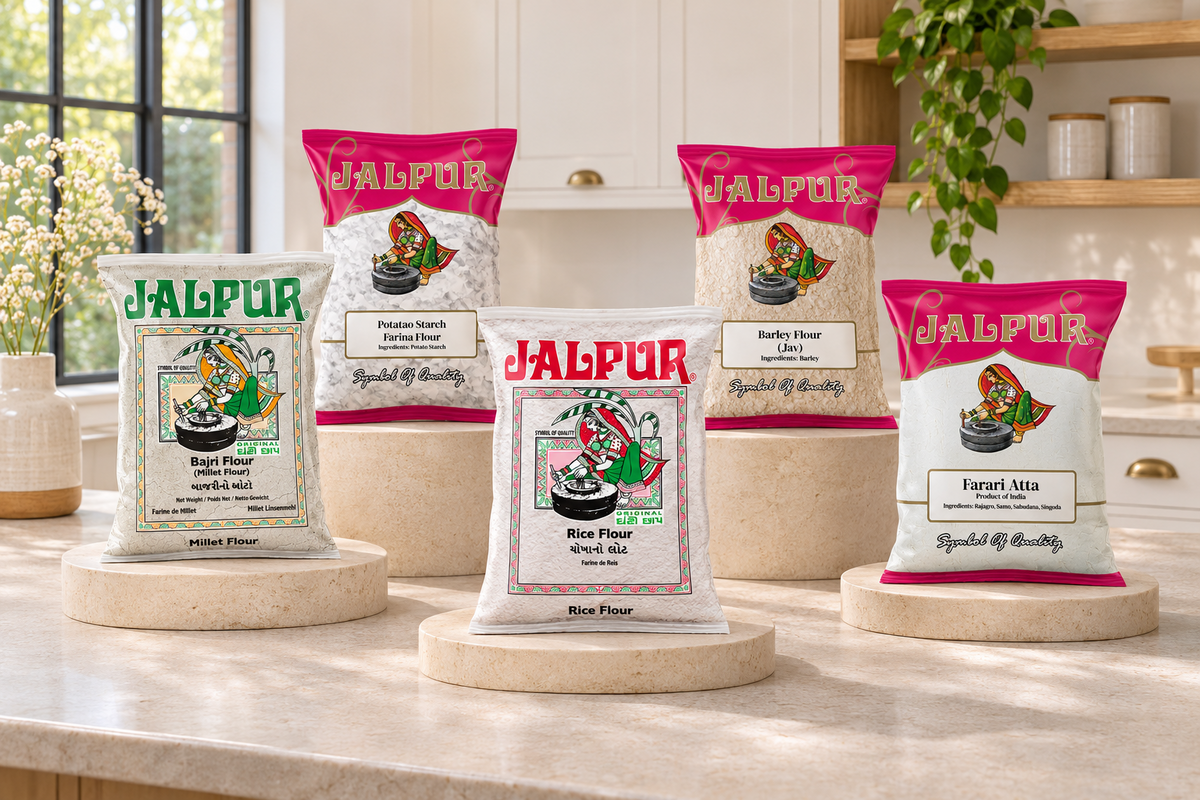
Fasting meals can be simple, flavourful, and nourishing when you choose the right ingredients. Jalpur - Farari Atta is a practical option for preparing traditional fasting recipes, including rotis, puris, and other homemade delicacies. Understanding flour varieties, ingredient quality, and storage requirements can help you select suitable ingredients for your kitchen and create meals that complement your fasting routine.

At Jalpur Millers, the focus is on helping customers explore pantry essentials for everyday cooking and traditional recipes. Whether you are preparing vrat-friendly dishes or refreshing your usual menu, choosing the right flour makes a difference to the cooking experience. With convenient options, you can explore flour varieties and plan your pantry shopping with greater ease.
What Is Farari Atta and How Can You Use It?
Farari atta is associated with flour blends used to prepare a variety of fasting-friendly dishes, particularly in Indian households. Depending on the recipe and product formulation, ingredients may include different grains, millet-based flours, or starches. Jalpur - Farari Atta can be considered when planning traditional dishes, but always check the product label to confirm its ingredients and suitability for your fasting practices. You can also explore other pantry staples, such as barley flour, for everyday cooking and baking needs.
Here are some popular ways to use fasting-friendly flour blends:
- Prepare soft flatbreads, such as Farari rotis, using a suitable flour blend and the recommended amount of water for the right dough consistency.
- Prepare fasting puris by combining the flour with appropriate binding ingredients to create a dough suitable for frying.
- Experiment with Pancakes and savoury snacks using simple recipes and seasonings permitted during your fasting routine.
- Explore Homemade variations by adjusting the dough consistency according to the flour blend and the recipe you follow.
Understand the Flour Ingredients Before Buying
Different flours contribute distinct textures, flavours, and cooking properties. Understanding these differences, including the characteristics of Jalpur Stone Ground Millet Flour, helps you select ingredients according to your recipe requirements rather than choosing a product based on its name alone.
Barley Flour and Bajra Flour
Barley flour has a distinctive cereal flavour and can be used in selected flatbreads, baking recipes, and other homemade preparations. Before using this flour in fasting dishes, check whether it is permitted under your fasting traditions, as barley contains gluten.

Bajra flour, made from pearl millet, has an earthy flavour and is commonly used to prepare traditional Indian flatbreads. Its distinctive taste and texture make it a useful ingredient for various recipes, but check the flour blend and recipe requirements to achieve the desired consistency.

Potato Starch and Rice Flour
Potato Starch is commonly used as a thickening and binding ingredient in various recipes. It can help improve the texture of selected dishes, making it useful for certain fasting preparations. Adjust the quantity according to your recipe to achieve the desired consistency.

Rice Flour has a mild flavour and a fine texture, making it suitable for preparing snacks, batters, and other homemade dishes. Its versatility allows you to explore different recipes, while checking the ingredient label helps ensure it meets your cooking and dietary requirements.

How to Choose Quality Flour for Your Kitchen
Selecting flour from Jalpur Millers involves more than comparing prices. Ingredient transparency, packaging condition, freshness, and intended use all contribute to making a better buying decision. Checking the product label and storage recommendations can also help you choose flour that suits your cooking requirements. Whether you are preparing traditional recipes or everyday meals, rice flour can be a useful addition to your kitchen pantry.
Consider these practical checks before placing an order:
- Confirm the flour composition and check for additives or ingredients you prefer to avoid.
- Choose sealed, undamaged packs that protect the contents from moisture, dust, and external contamination.
- Check the manufacturing date, best-before date, and storage instructions before buying.
- Consider texture, binding properties, and flavour to achieve the desired cooking results.
- Do not assume every flour blend is suitable for every vrat tradition; verify the ingredients against your dietary practices.
- Select a quantity that suits your household's consumption and storage capacity.
These checks can help you shop confidently at Jalpur Millers Online while reducing the likelihood of purchasing flour that does not meet your cooking needs.
Why Choose Jalpur Millers for Your Flour Shopping?
At Jalpur Millers, we bring a variety of pantry essentials to your kitchen, making it easier to explore ingredients for traditional recipes and everyday cooking. Our focus is on offering customers convenient access to different flour varieties, clear product information, and options suited to diverse culinary preferences.
Here are the key factors that set our products apart:
- Explore different flour options, including Jalpur Stone Ground Millet Flour, for your cooking needs.
- Check ingredient lists and product descriptions to choose suitable flour for your recipes.
- Choose convenient packaging sizes, and store opened flour in an airtight container in a cool, dry place.
- Check the labelled best-before date and follow storage instructions to maintain flour quality.
- With Jalpur Millers Online, browse flour varieties, compare pack sizes, and shop conveniently.
- Explore the flour range for flatbreads, snacks, and traditional recipes, checking ingredients for fasting suitability.
For the best experience, review each product's ingredient list, packaging details, and shelf-life information, including potato starch. This is especially important if you have dietary restrictions or follow specific fasting rules.
Storage Tips to Maintain Flour Freshness
Proper storage helps preserve the quality of bajra flour and other flours and reduces exposure to moisture, pests, and unwanted odours. Even well-packaged flour needs suitable storage once it reaches your kitchen.
Follow these simple practices:
- Store the pack in a cool, dry cupboard away from sinks, steam, and other moisture sources.
- After opening, transfer the flour to a clean, dry, airtight container if appropriate for the packaging and product instructions.
- Use clean, dry spoons and keep flour away from ingredients that could introduce moisture or allergens.
- Look for unusual odours, visible pests, dampness, or other signs of spoilage.
- Use the product within its recommended period and avoid relying on a generic shelf-life estimate for every flour type.
Consistent storage practices help you manage pantry supplies effectively and keep ingredients like Jalpur - Farari Atta fresh and ready for your next cooking session.
FAQs
1] How can I adjust Farari Atta dough if it feels too sticky or too dry?
If the dough feels too sticky, add small amounts of the flour blend gradually. If it feels too dry or crumbly, add water in small increments while mixing. Allowing the dough to rest briefly may also help, depending on the ingredients used.
2] Which flour is best for making soft Indian flatbreads?
The best flour depends on the type of flatbread you want to prepare. Wheat flour, bajra flour, and other millet-based flours offer different textures and flavours. Some gluten-free flours may require additional binding ingredients to help the dough hold together.
3] Can rice flour be used for baking?
Yes, rice flour can be used in biscuits, cakes, pancakes, and other baked goods. However, it behaves differently from wheat flour and may need to be combined with suitable binding ingredients to achieve the desired texture.
4] Can different types of flour be mixed in one recipe?
Yes, some flours can be combined to adjust flavour, texture, or consistency. However, their moisture absorption and binding properties vary, so start with a tested recipe and adjust the proportions gradually.